
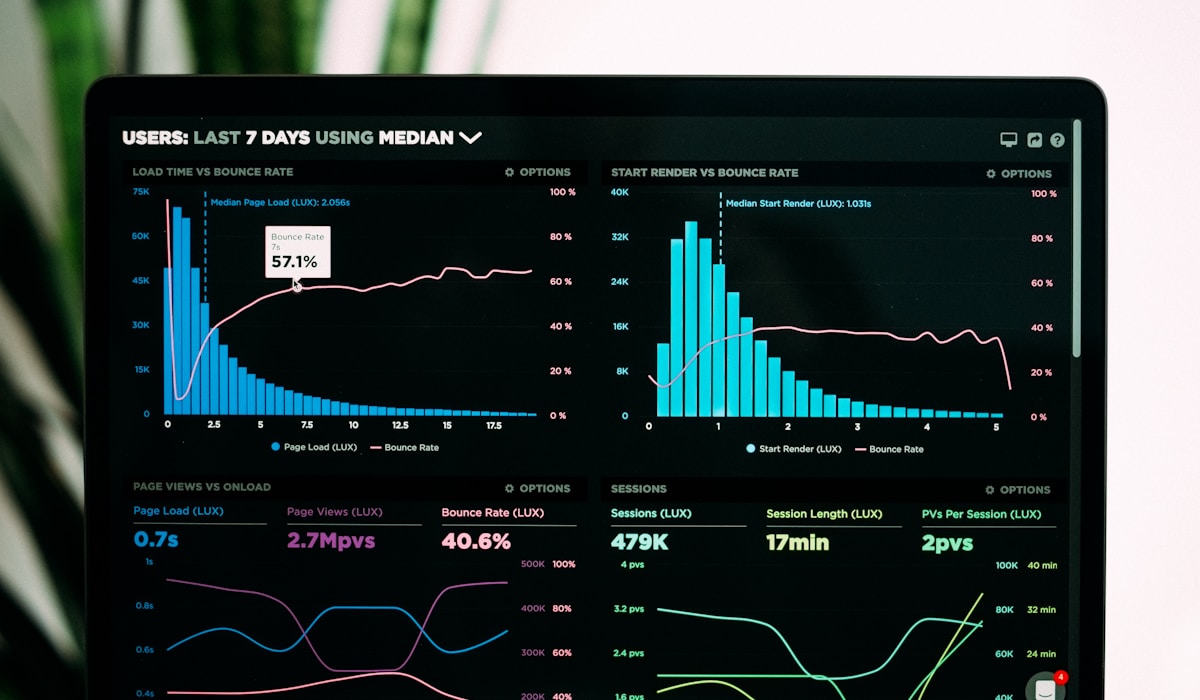
Bounce rate is one of the most important metrics in web analytics, representing the percentage of visitors who leave your site after viewing only one page. A high bounce rate often signals poor user experience or a mismatch between user expectations and your content.
Understanding Bounce Rate
A “bounce” occurs when a visitor lands on your page and leaves without clicking to another page on your site. While a 100% bounce rate sounds alarming, context matters — a blog post that fully answers a question may have a naturally high bounce rate as users got what they needed.
However, high bounce rates on product pages, landing pages, or your homepage often indicate problems that need fixing.
Effective Strategies to Reduce Bounce Rate
1. Improve Page Load Speed
Slow loading pages are one of the top reasons visitors leave immediately. Optimize images, leverage browser caching, minimize HTTP requests, and use a Content Delivery Network (CDN). Even a 1-second improvement in load time can significantly reduce bounce rates.
2. Match Content to User Intent
Ensure your page delivers on the promise of whatever brought the user there—whether it’s an ad, organic search result, or social media post. If users expect one thing and find another, they’ll leave instantly.
3. Create Compelling Above-the-Fold Content
The first screen users see (without scrolling) determines whether they stay or go. Make your headline, subheadline, and call-to-action immediately compelling and clear.
4. Improve Readability
Use clear typography, short paragraphs, bullet points, headers, and plenty of white space. Dense walls of text drive users away. Good formatting invites readers to continue scrolling.
5. Add Relevant Internal Links
Strategic internal linking keeps visitors exploring your site. Recommend related articles, products, or resources that naturally follow from the current page’s topic.
6. Optimize for Mobile
With over 60% of web traffic on mobile devices, a poor mobile experience is devastating. Ensure responsive design, large touch targets, and fast mobile load times.
7. Reduce Pop-up Interruptions
Aggressive pop-ups that appear immediately frustrate users. If you use pop-ups, trigger them after a delay, on exit intent, or after the user has scrolled a meaningful portion of the page.
Implementing these strategies consistently will improve engagement metrics, user satisfaction, and ultimately drive better SEO performance and conversions.
Leave a Reply